
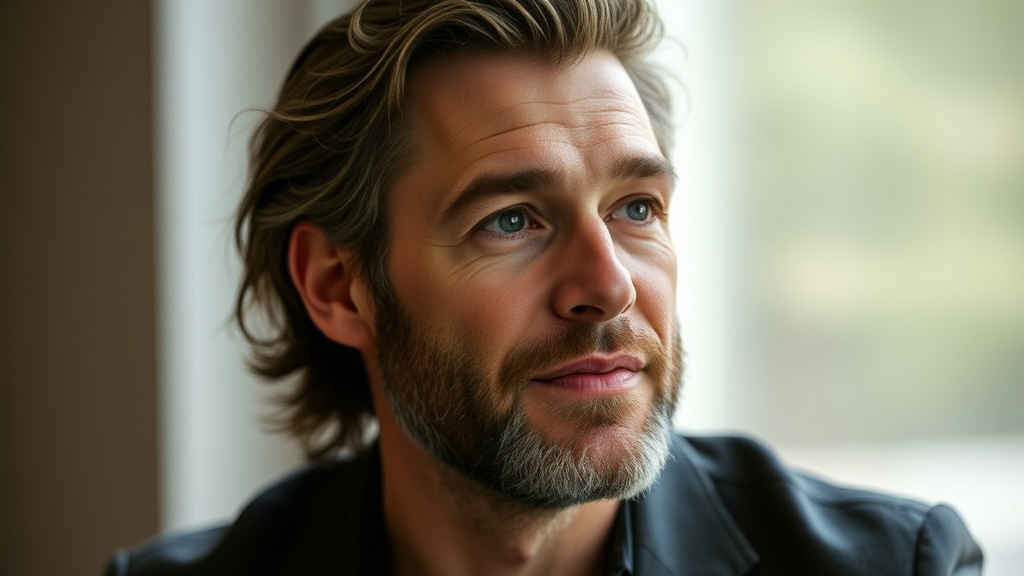
In a candid and deeply personal interview, an renowned award-winning actor opens up about the unseen challenges that nearly derailed his career and life. Behind the sparkling red carpets and accolades lies a powerful story of depression, anxiety, and the path toward recovery toward healing. This article examines how he managed his darkest moments, pursued treatment, and discovered resilience. His brave account offers hope to millions struggling silently and reshapes conversations around emotional wellness in Hollywood.
The Critical Moment: When Victory Left a Void
Despite reaching every professional achievement he’d imagined, the renowned actor found himself descending into an unforeseen darkness. Awards decorated his shelves, roles arrived constantly, and audiences adored him, yet internally, he felt profoundly isolated and hollow. The contradiction between external approval and internal anguish created a confusing paradox that left him questioning his own sanity. Success, which ought to have brought fulfillment, instead heightened his sense of loneliness and self-doubt, revealing that achievement alone cannot heal underlying psychological injuries.
The critical moment came when maintaining his public image became draining on every level. Behind closed doors, he battled overwhelming anxiety that made even routine tasks feel overwhelming. Sleep became elusive, appetite faded away, and the joy he once found in acting vanished entirely. He understood that his deliberately built public image masked a person fighting to get through each day. The pressure to appear grateful and composed while experiencing such profound pain created an emotionally unsustainable strain that demanded urgent action.
Friends and family observed subtle shifts in how he acted, though he skillfully redirected their concerns with practiced charm and humor. His agent linked his withdrawn demeanor to fatigue from consecutive movie roles, a convenient explanation that allowed everyone to avoid more meaningful discussions. However, the actor knew something was fundamentally wrong. The drugs he was taking weren’t addressing the underlying source of his distress, and therapy seemed like just another duty rather than authentic recovery. He existed in a state of emotional detachment, going through the motions rather than actually experiencing it.
The critical moment came without warning during a acclaimed awards gala where he won Best Actor for his most lauded part. Standing on that stage gripping his trophy, bathed in deafening cheers and prolonged cheers, he felt a moment of crystalline clarity. Rather than experiencing triumph, he felt utterly hollow and lost. That night, solitary in his hotel suite, he finally admitted to himself that he couldn’t go on this way. The mask had become too tiring to keep up. And he recognized that seeking help wasn’t an admission of weakness but self-preservation.
This point in time of unflinching truth marked the beginning of his personal evolution. He recognized that no amount of professional success could replace true emotional well-being and self-acceptance. The realization that his worth went well past praise and public recognition became the impetus for transformation. He made the brave choice to reduce his overwhelming workload and place emphasis on his psychological well-being before everything. This decision, though frightening, marked the first authentic decision he’d taken in a long time.
Opening up about his struggles required significant emotional openness, particularly within an industry that often treats mental health problems as taboo as damaging to career prospects. Yet he saw that his silence deepened the shame that had worsened his pain. By deciding to go public about his breaking point, he aimed to motivate others to seek help without fear of criticism. His journey from that dark hotel room to recovery would ultimately serve as an inspiration for countless individuals facing comparable hidden struggles.
Getting Support and Embarking on Healing Journey
The critical moment in the actor’s life came when he ultimately recognized that he couldn’t handle his difficulties alone. After years of denial and attempting to mask his symptoms with work and substances, he made the bold step to pursue clinical treatment. This pivotal moment marked the beginning of his transformation, as he grasped that revealing vulnerability wasn’t weakness but rather the initial move toward authentic restoration and reclaiming his life.
Seeking out support demanded tremendous courage, particularly given the stigma associated with mental health in the entertainment industry. He began attending therapy treatments and connecting with people who truly valued his wellbeing. The commitment to placing his psychological wellbeing before his work responsibilities proved to be the best decision he could make, eventually creating a stronger and truer version of himself.
Therapy and Professional Support
Finding the right therapist proved instrumental in the actor’s recovery journey. He collaborated with a therapist who specialized in treating anxiety and depression in demanding settings. Through consistent therapy sessions, he developed coping mechanisms and gained deeper insights into the core sources of his difficulties. The therapeutic bond became a safe space where he could examine his feelings without concern about judgment and media scrutiny.
Beyond individual therapy, the actor also explored various therapeutic approaches to tackle his emotional health comprehensively. He discovered that integrating various treatment methods created a more robust foundation for his recovery. Expert guidance transcended just discussion; it included concrete methods and techniques he could apply regularly. This integrated method to treatment greatly enhanced his healing process and equipped him with sustainable methods for managing his emotional health.
- Cognitive behavioral therapy helped identify negative thought patterns
- Pharmaceutical management corrected biochemical irregularities in his brain
- Mindfulness techniques decreased anxiety and enhanced mood management
- Group therapy connected him with others dealing with similar struggles
- Holistic wellness activities supported standard psychiatric care
Life Following Recovery: A Different Perspective
Adopting a New Life
Since completing his path to recovery, the actor has undergone a profound shift in how he views success and fulfillment. Rather than measuring worth through awards and public acclaim, he now prioritizes mental wellness and authentic connections with loved ones. This transformation has enabled him to tackle his craft with fresh enthusiasm, choosing roles that speak to him rather than those motivated by industry expectations. His outlook has become increasingly centered and intentional, demonstrating a maturity that extends well past his professional achievements.
The actor attributes his support system as essential for preserving his psychological balance. Consistent therapy appointments, contemplative routines, and transparent conversations with close family form the foundation of his regular schedule. He stresses that improvement isn’t an endpoint but a lifelong practice demanding sustained dedication and personal insight. By establishing these as standard, he demonstrates that reaching out for support and supporting emotional wellbeing are signs of strength, not vulnerability. His dedication provides encouragement to individuals dealing with alike difficulties.
Giving Back and Social Impact
Recognizing his platform’s influence, the actor has become a vocal advocate for mental wellness education in the entertainment industry. He consistently champions organizations focused on mental health research and treatment accessibility, leveraging his public profile to elevate critical discussions. Through interviews, social media engagement, and charitable partnerships, he strives to reduce stigma around mental illness and encourage others to pursue professional help. His advocacy reaches past Hollywood, connecting with broad communities who benefit from his authentic narratives and real dedication to change.
The actor has established a foundation aimed at delivering mental health resources to underserved communities. This initiative demonstrates his view that quality mental healthcare should be available to everyone, independent of socioeconomic status. By channeling his own struggles into substantive change, he turns his struggles into a driver of systemic change. His philanthropic efforts illustrate that recovery can inspire goal-oriented projects that benefits society. Through these initiatives, he keeps developing a legacy that extends far beyond his film career.
Moving Forward with Hope
Today, the actor embodies a testament to the capacity for recovery and reinvention. His journey from struggle to triumph has profoundly altered his identity, enabling him to live authentically and purposefully. He keeps pursuing his passion for acting while maintaining healthy boundaries that protect his mental wellbeing. The balance he has achieved stands as a powerful example that achievement and wellbeing are not mutually exclusive. His story demonstrates that vulnerability and strength exist together, inspiring numerous individuals facing their own struggles.
As he gazes toward the future, the actor stays committed to his recovery and advocacy work. He motivates individuals to embrace their own journeys, whatever form they may take, with compassion and patience. His message is clear: recovery is possible, healing is authentic, and seeking help is courageous. By continuing to share his story openly, he drives a societal change that prioritizes mental health together with physical wellness. His legacy will eventually be defined not by awards, but by the lives he has touched and the hope he has created for others struggling with mental health challenges.
