
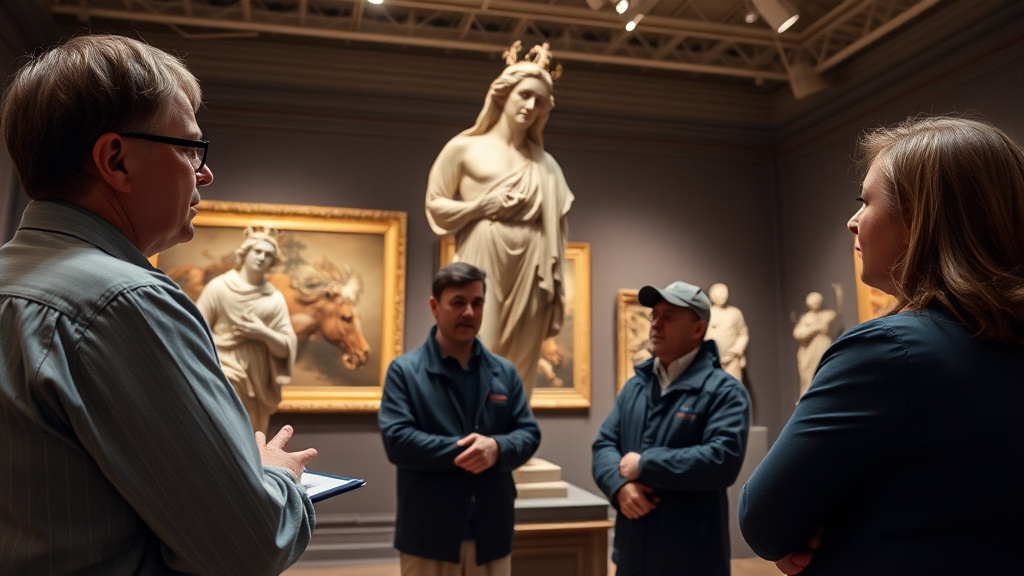
Throughout history, great works have persisted through centuries through the commitment of art conservation experts. As time and environmental factors jeopardize precious paintings and sculptural works, preserving these cultural treasures becomes ever more essential. In this piece, master conservators reveal their best practices for safeguarding artworks from decay, including environmental management, conservation approaches, and preventative measures. Explore how cutting-edge science and classical methods combine to ensure that future generations can experience the artistic inheritance we receive today.
Learning about the Fundamentals of Art Conservation
Art conservation is a focused practice that integrates scientific expertise with artistic skill to preserve cultural heritage for posterity. Conservators work to stabilize aging works of art, prevent further damage, and return works to their initial appearance when feasible. This diverse practice covers different approaches, from repair and cleaning to structural support and cataloging. Understanding the basic principles of conservation is vital for people engaged in protecting period paintings, sculptures, and other important artifacts from the unavoidable impact of time and environmental exposure.
The main purpose of art conservation is to increase the longevity of artworks while maintaining their historical integrity and aesthetic value. Conservators use preventative and interventive approaches, carefully assessing each piece’s individual state and needs before applying conservation treatments. This deliberate process requires comprehensive education in chemistry, materials science, art history, and practical restoration skills. By integrating rigorous scientific analysis with conventional artisanal methods, conservation experts guarantee that irreplaceable masterpieces stay accessible and aesthetically preserved for centuries to come.
Comprehensive Cleaning and Restoration Approaches
Modern art conservation utilizes sophisticated cleaning methods that carefully extract layers of grime, varnish, and environmental deposits without damaging delicate artwork. Conservators apply specialized solvents, micro-abrasive techniques, and laser cleaning technology to restore paintings to pristine condition. These specialized techniques require rigorous preparation and thorough examination of the individual composition of each work. By grasping the chemical relationship between the artwork and pollutants, experts can reverse decades of deterioration while preserving artistic intent and original materials.
Restoration approaches extend beyond surface cleaning to resolve structural deterioration and loss of material. Conservators use conventional techniques such as relining canvas, consolidating paint, and varnish application combined with cutting-edge innovations like three-dimensional imaging and digital reconstruction. These comprehensive approaches bring back both visual appeal and structural stability. Whether tackling cracked paint, deteriorated supports, or missing sections, skilled conservators reconcile historical accuracy with long-term preservation, making certain that restored works stay stable for centuries while preserving their historical and artistic significance.
Specialized Equipment and Materials
Conservation labs are equipped with advanced technology including spectroscopy devices, digital microscopes, and climate-controlled chambers that allow precise analysis and treatment. Conservators thoughtfully choose conservation-grade supplies—acid-free adhesives, reversible consolidants, and period-appropriate pigments—to ensure treatments remain stable and can be safely reversed if upcoming methods demonstrate better results. This scientific approach, paired with traditional expertise, represents the gold standard in artwork conservation.
Climate Management and Storage Systems
Keeping stable environmental conditions is fundamental to preserving historical artworks. Temperature and humidity variations lead to materials to expand and contract, resulting in warping, cracking, and paint loss. Conservation experts advise keeping storage areas at consistent temperatures between 18-21°C with humidity ranges between 45-55%. Sophisticated environmental monitoring systems monitor these parameters continuously, safeguarding paintings and sculptures from the harmful impact of environmental stress that can develop over decades.
Proper storage facilities must feature specialized design elements to preserve valuable items. Glass with UV filtering, acid-free materials, and archival-grade mounting solutions stop light-related deterioration and chemical damage. Museums and conservation centers employ inert gases and oxygen-scavenging technology to establish controlled micro-environments that suppress mold development and activity of insects. These comprehensive storage solutions constitute substantial financial commitments, yet they demonstrate themselves as essential for upholding artwork integrity and guaranteeing that cultural heritage stays accessible to coming generations without being compromised.
Preventive Measures and Sustained Conservation
Conservation through prevention stands as the most effective strategy for safeguarding artworks from deterioration. By preserving consistent climate control—including precise temperature and humidity levels—conservators can significantly slow the aging process of paintings and sculptures. Regular monitoring systems identify emerging risks before harm happens, while protective barriers protect items from environmental contaminants and damaging light. This proactive approach minimizes the need for intrusive conservation procedures and extends the longevity of heritage pieces for generations ahead.
Extended preservation demands detailed planning frameworks and institutional commitment. Conservation teams develop thorough record-keeping systems that monitor each artwork’s condition, treatment history, and preservation needs. Deliberate positioning in climate-controlled facilities, paired with routine evaluations and preventative maintenance, maintains ideal conservation conditions. Collaborating with museums and collectors, specialists establish proven methodologies for managing, display, and preservation. Through these combined initiatives, institutions preserves priceless creative works, securing that future generations receive the complete legacy of artistic accomplishment.
